Complete Guide to Buying a Used Car in Dubai
Essential inspection points, documentation verification, and negotiation strategies for purchasing pre-owned vehicles in the UAE market
Dubai's used car market offers exceptional opportunities for buyers seeking quality vehicles at competitive prices. With thousands of pre-owned cars available across the emirate, from luxury sedans to practical family SUVs, understanding the purchasing process is essential for making an informed decision. This comprehensive guide walks you through every critical step of buying a used car in Dubai, ensuring you avoid common pitfalls and secure the best possible deal.
The UAE's well-regulated automotive market, combined with strict vehicle inspection standards and transparent transfer procedures through the Roads and Transport Authority (RTA), provides buyers with significant protection. However, knowing what to look for, which questions to ask, and how to verify documentation remains crucial for a successful purchase. Whether you're a first-time buyer or experienced in the market, this guide provides practical advice tailored to Dubai's unique automotive landscape.
Essential Pre-Purchase Inspection Points
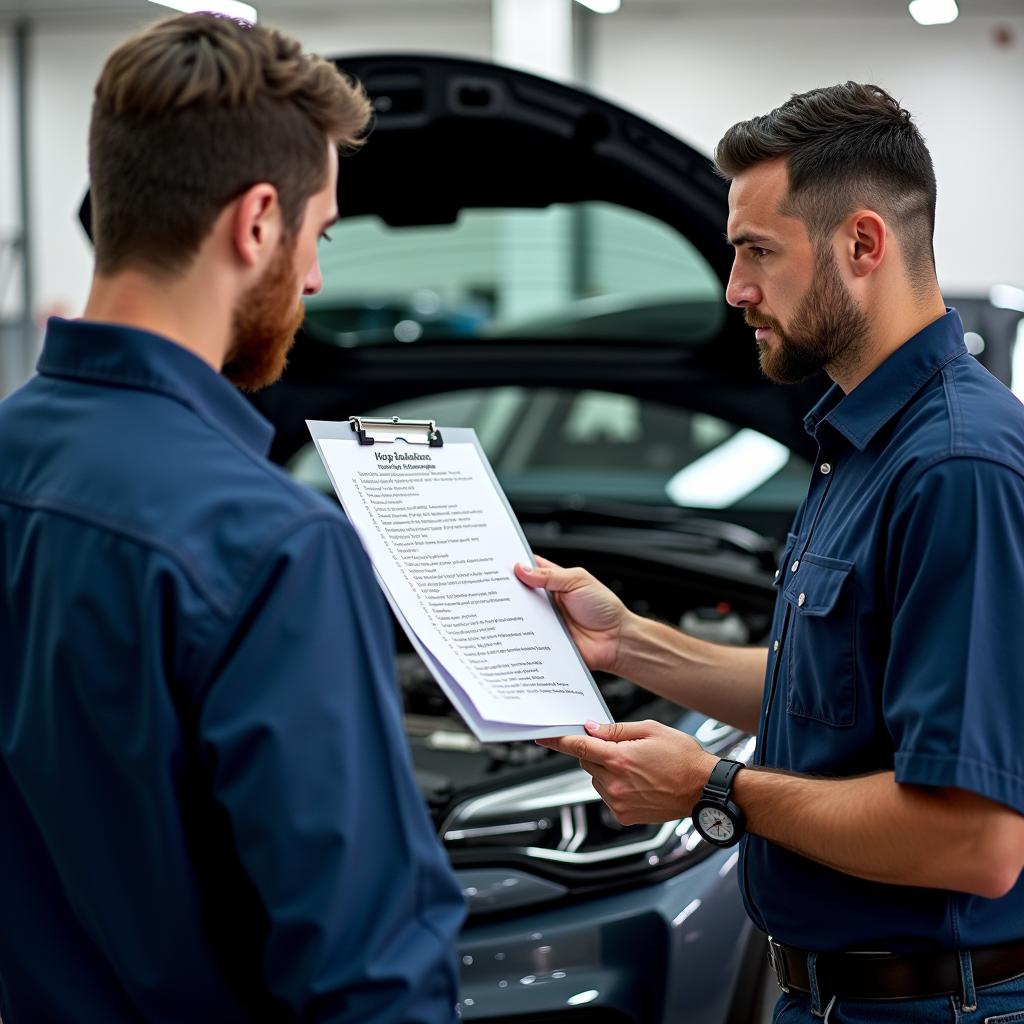
A thorough physical inspection is your first line of defense against purchasing a problematic vehicle. Begin with the exterior, examining the body panels for signs of repainting, misaligned gaps, or rust spots that might indicate previous accident damage. Pay particular attention to the condition of the paint—inconsistencies in color or texture often reveal repair work. Check all doors, the hood, and trunk for smooth operation and proper alignment.
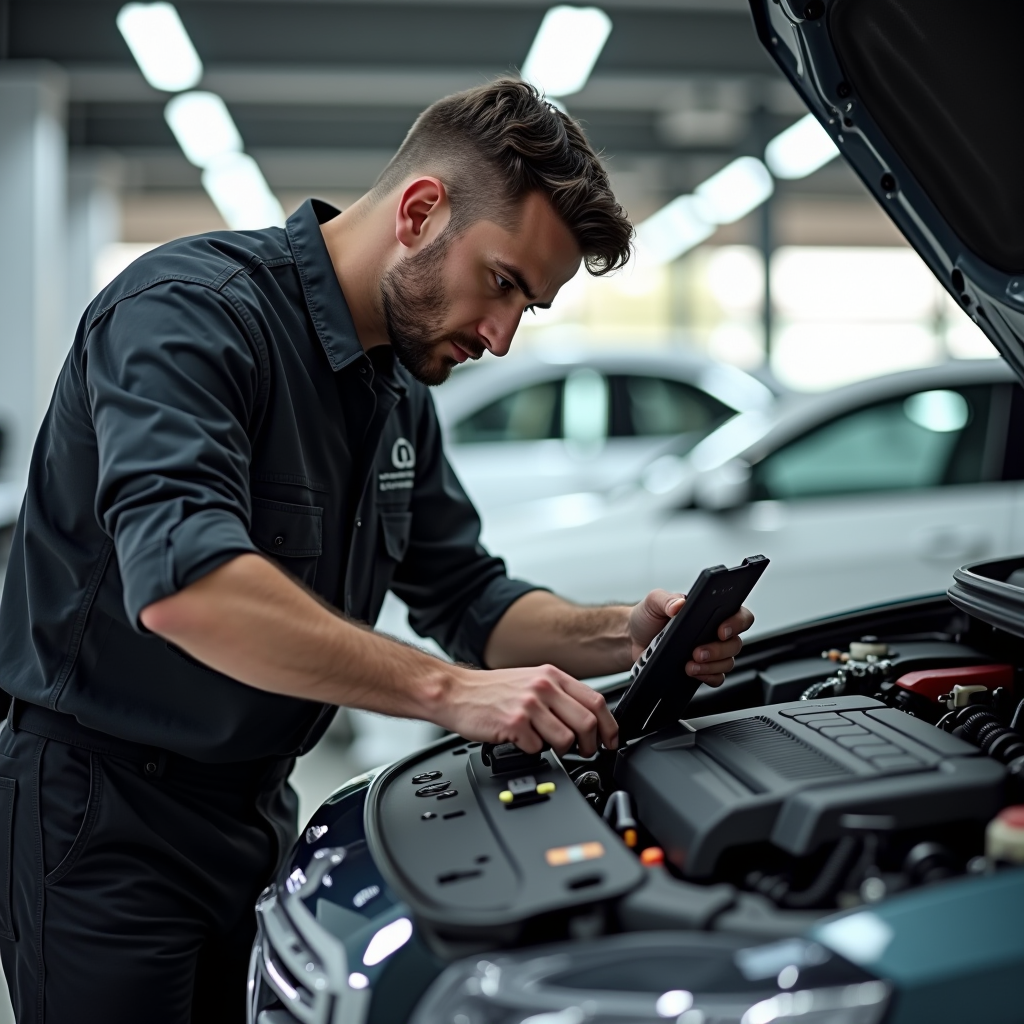
Under the hood, inspect the engine bay for oil leaks, worn belts, and corroded battery terminals. Start the engine and listen for unusual noises such as knocking, ticking, or excessive rattling. The engine should idle smoothly without vibration. Check all fluid levels including engine oil, coolant, brake fluid, and transmission fluid—dark or contaminated fluids suggest poor maintenance. Examine the condition of hoses and wiring for cracks or deterioration, particularly important in Dubai's extreme heat.
The interior inspection reveals how well the previous owner maintained the vehicle. Test all electronic features including air conditioning (crucial in Dubai), power windows, locks, mirrors, and the infotainment system. Check seat adjustments, seatbelts, and look for signs of water damage such as musty odors or staining on carpets and upholstery. Inspect the dashboard for warning lights and ensure all gauges function properly. A well-maintained interior typically indicates conscientious ownership.
Don't overlook the tires and suspension system. Uneven tire wear patterns can indicate alignment issues or suspension problems. Check tire tread depth—UAE law requires minimum 1.6mm, but 3mm or more is preferable for safety. Test the brakes during your test drive, feeling for vibrations, pulling to one side, or unusual noises. Bounce each corner of the car to assess shock absorber condition. These components are expensive to replace and should factor into your negotiation if replacement is imminent.
Understanding Vehicle History Reports
Vehicle history reports provide critical information about a car's past that isn't visible during a physical inspection. In Dubai, you can obtain official reports through the RTA or authorized service providers that compile data from insurance companies, police records, and service centers. These reports reveal accident history, major repairs, odometer readings, and whether the vehicle has been classified as salvage or written off by insurance companies.
Always request the vehicle's chassis number (VIN) and run a history check before committing to purchase. Sellers who refuse to provide this information should raise immediate red flags.

Pay close attention to the accident history section of the report. Minor fender benders are common and not necessarily deal-breakers, but major structural damage or multiple accidents should prompt serious reconsideration. Vehicles that have been flooded or fire-damaged often appear in the market at attractive prices but can develop serious problems over time. Cross-reference the reported mileage with service records and the odometer reading—significant discrepancies suggest tampering.
The ownership history section reveals how many times the car has changed hands and how long each owner kept it. Multiple owners in a short period might indicate persistent problems. Conversely, a single-owner vehicle with complete service records from authorized dealers typically represents a safer purchase. Check whether the vehicle was used as a taxi or rental car, as these applications involve harder use and higher mileage accumulation than private ownership.
Service and maintenance records within the history report demonstrate how well the vehicle was cared for. Regular servicing at authorized dealers, timely oil changes, and documented repairs indicate responsible ownership. Gaps in service history or lack of maintenance records should concern you, especially for vehicles requiring specific service intervals. For luxury and high-performance vehicles, complete dealer service history significantly impacts resale value and reliability.
Effective Price Negotiation Strategies
Successful negotiation begins with thorough market research. Before viewing any vehicle, check multiple online classifieds platforms to understand the going rate for similar makes, models, years, and mileage. Dubai's used car market is competitive, giving buyers leverage when armed with accurate pricing information. Create a spreadsheet comparing at least five similar vehicles, noting their asking prices, mileage, condition, and included features to establish a realistic price range.

During negotiations, use any issues discovered during inspection as leverage. Document problems with photos and obtain repair estimates from reputable service centers. Present these findings professionally, explaining how they affect the vehicle's value. Most sellers expect some negotiation and price their vehicles accordingly. Start your offer 10-15% below the asking price for vehicles in good condition, or 20-25% below for those requiring significant repairs. Be prepared to walk away if the seller won't negotiate reasonably—there are always other options in Dubai's extensive market.
Timing can significantly impact your negotiating position. Dealers often have monthly sales targets and may be more flexible toward month-end. Private sellers who have already purchased replacement vehicles are typically more motivated to close deals quickly. If you're paying cash, mention this early—it eliminates financing complications and can result in better pricing. However, never reveal your maximum budget; instead, focus on the vehicle's actual market value and condition.
Consider the total cost of ownership beyond the purchase price. Factor in insurance premiums, which vary significantly based on the vehicle's age, value, and your driving history. Calculate expected maintenance costs, particularly for European luxury brands that require expensive parts and specialized service. Include registration and transfer fees in your budget. A slightly more expensive vehicle with lower running costs might represent better value than a cheaper option with high maintenance requirements.
Completing RTA Transfer Procedures
The official transfer of vehicle ownership through the RTA is a straightforward but essential process that protects both buyer and seller. Before initiating the transfer, ensure the vehicle passes the mandatory RTA inspection at an authorized testing center. This comprehensive check verifies that the car meets safety and emissions standards. Vehicles older than three years require this inspection annually, and the certificate must be valid for the transfer to proceed.

Gather all required documents before visiting the RTA: the vehicle's registration card (Mulkiya), valid insurance certificate, Emirates ID for both buyer and seller, and the RTA inspection certificate. If purchasing from a dealer, they typically handle the paperwork, but verify all documents are in order. For private sales, both parties must be present at the RTA center or provide notarized authorization if one party cannot attend. The seller must clear any outstanding fines before the transfer can be completed.
The transfer process involves several fees including the registration transfer fee, new number plate issuance (if changing plates), and knowledge and innovation fees. Total costs typically range from AED 500 to AED 1,000 depending on the vehicle type and whether you're keeping the existing plates. Payment can be made via cash, credit card, or the RTA's digital payment systems. The entire process usually takes 30-60 minutes if all documents are in order.
After completing the transfer, you'll receive a new registration card in your name. Verify all details are correct including your name, Emirates ID number, and vehicle specifications. Obtain the new number plates if applicable—the RTA provides these immediately. Update your insurance policy with the new registration details within 24 hours. Keep copies of all transfer documents, including the signed sale agreement, as proof of ownership and for future reference.
Pro tip: Use the RTA's smart services app to check for fines, book inspection appointments, and track your transfer application status, saving time and avoiding queues at service centers.
Common Pitfalls and How to Avoid Them
One of the most common mistakes buyers make is rushing the purchase decision due to attractive pricing or pressure from sellers. Take your time to inspect multiple vehicles, compare options, and conduct thorough research. Scammers often create urgency by claiming other buyers are interested or offering limited-time discounts. Legitimate sellers will allow you adequate time for inspection and consideration. If a deal seems too good to be true, it probably is—extremely low prices often indicate hidden problems or fraudulent listings.
Skipping the professional inspection is a costly mistake that can lead to expensive repairs shortly after purchase. Even if you're knowledgeable about cars, a certified mechanic can identify issues you might miss, particularly with complex modern vehicles. The AED 200-400 cost of a pre-purchase inspection is insignificant compared to potential repair bills for undiscovered problems. Many reputable service centers in Dubai offer comprehensive pre-purchase inspection services that include detailed reports and photographs.
Failing to verify documentation authenticity is another serious pitfall. Fraudsters sometimes present forged service records, altered mileage readings, or fake insurance certificates. Always verify documents directly with the issuing authorities—contact the service center to confirm maintenance records, check with insurance companies to validate policies, and use the RTA's official channels to verify registration details. Never accept photocopies without seeing original documents, and be wary of sellers who can't produce complete paperwork.
Overlooking the importance of a proper test drive can leave you with a vehicle that doesn't meet your needs or has hidden mechanical issues. Test the car in various conditions: city traffic, highway speeds, and if possible, rough roads to assess suspension. Listen for unusual noises, feel for vibrations, and test all features including air conditioning, audio system, and driver assistance technologies. A 10-15 minute test drive isn't sufficient—request at least 30 minutes to thoroughly evaluate the vehicle's performance and comfort.
Warranty Options and After-Sales Protection
Understanding warranty options available for used cars in Dubai can provide valuable peace of mind and financial protection. Many certified pre-owned programs from authorized dealers include comprehensive warranties covering major components for 12-24 months or specific mileage limits. These warranties typically cover engine, transmission, electrical systems, and sometimes even wear items like brake pads. While certified pre-owned vehicles cost more than private sales, the warranty coverage and thorough inspection process often justify the premium.
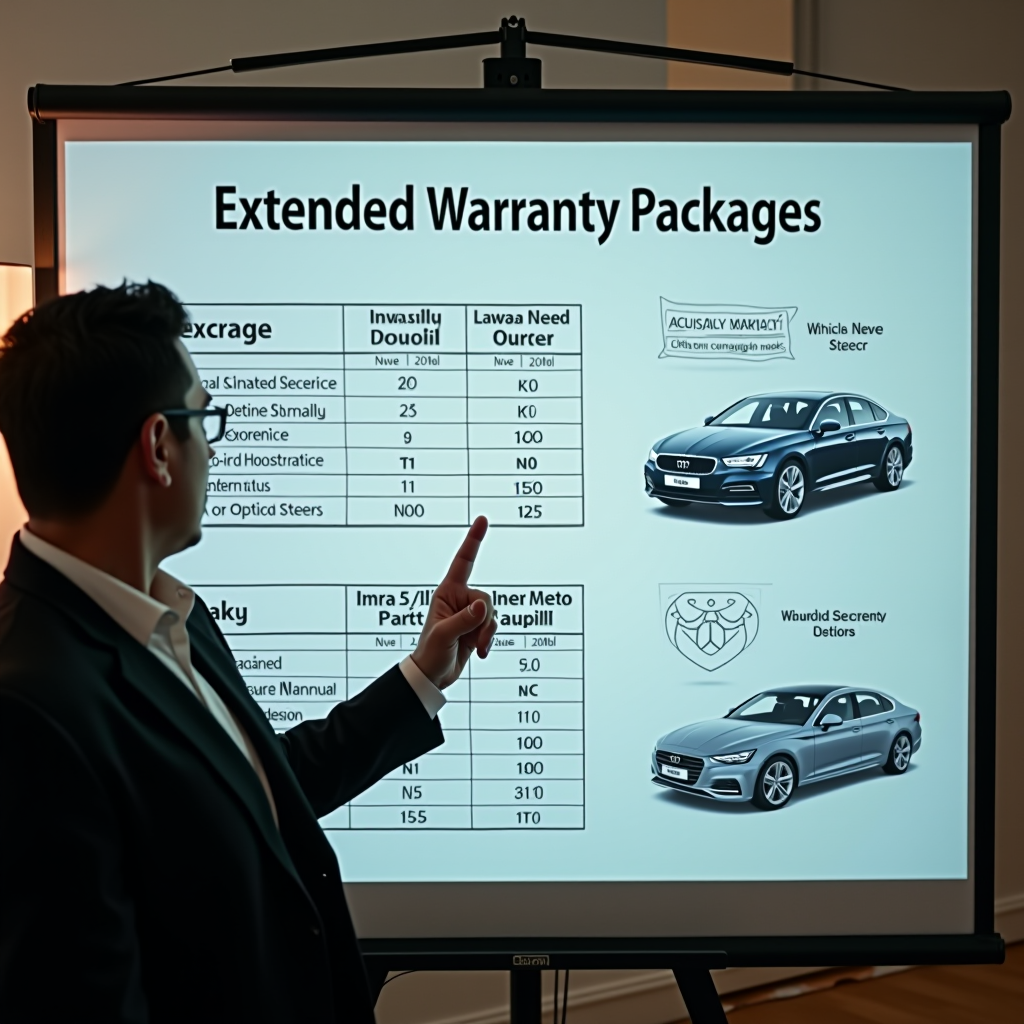
Extended warranty products are available from third-party providers for vehicles purchased privately or from dealers without included coverage. These policies vary significantly in terms of coverage, deductibles, and exclusions. Carefully read the fine print to understand what's covered and what isn't—some policies exclude wear and tear items, pre-existing conditions, or require servicing at specific facilities. Compare multiple providers, check their reputation and claim settlement history, and ensure the warranty is underwritten by a reputable insurance company.
Consider the vehicle's age, mileage, and reliability record when deciding on warranty coverage. Older vehicles or brands known for expensive repairs benefit more from extended warranties. Calculate the warranty cost against potential repair expenses—for a reliable Japanese sedan with low mileage, an extended warranty might not be cost-effective. However, for European luxury vehicles or high-mileage cars, comprehensive coverage can prevent financial surprises. Some warranties offer additional benefits like roadside assistance, rental car coverage, and trip interruption protection.
Maintain detailed service records and follow the warranty's maintenance requirements to ensure coverage remains valid. Most warranties require regular servicing at authorized facilities and use of genuine or approved parts. Keep all receipts and service documentation organized. If you need to make a claim, contact the warranty provider immediately and follow their procedures precisely. Understanding your rights under UAE consumer protection laws also helps—dealers must honor warranty commitments, and you have recourse through consumer protection authorities if disputes arise.
Making Your Purchase with Confidence
Buying a used car in Dubai doesn't have to be stressful or risky when you follow a systematic approach. By conducting thorough inspections, verifying documentation, understanding market values, and completing proper transfer procedures, you can secure a reliable vehicle that meets your needs and budget. The time invested in research and due diligence pays dividends through years of trouble-free ownership and the satisfaction of knowing you made an informed decision.
Remember that patience is your greatest asset in the used car market. Don't feel pressured to purchase the first vehicle you see, even if it seems perfect. Multiple options exist across Dubai's extensive automotive marketplace, and taking time to compare alternatives ensures you find the best match for your requirements. Trust your instincts—if something feels wrong about a deal or a seller seems evasive, walk away and continue your search.
The UAE's well-regulated automotive sector, transparent RTA procedures, and competitive market conditions create an environment favorable to used car buyers. Armed with the knowledge from this guide, you're well-equipped to navigate the process successfully, avoid common pitfalls, and drive away in a quality pre-owned vehicle that serves you reliably for years to come. Happy car hunting, and may you find the perfect vehicle for your Dubai adventures!